Memory training course
10× BETTERMEMORY
Learn how to learn. Master the method of a five-time Lithuanian Pi Championship winner.
A practical course that teaches you, step by step, the techniques for memorising names, numbers, dates, study material and everything else faster — and recalling it more easily.
Not complicated theory about the brain — practical methods you can start using straight away.
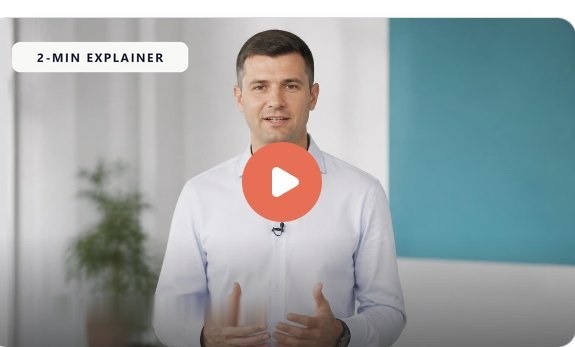
See how the method works in 2 minutes
Method of a Lithuanian Pi Championship winner
A system built on practice
Learn at your own pace
The problem isn’t your memory.
Most of us were never taught how to memorise information effectively. At school we mostly just read, repeated, and hoped something would stick.
You read it — then lose it
A few days later, only part of it is still there.
You repeat it again and again
The same material keeps costing you more time.
Names slip away
You’re introduced — and minutes later the name is gone.
Dates won’t stay put
Numbers and dates feel abstract, with nothing to hook onto.
It all runs together
You know you studied it, but you can’t pull it up when it matters.
Studying takes too long
A lot of effort in, not always much to show for it.
Most people draw one conclusion from this:
“My memory is just bad.”
But very often the problem isn’t the memory. It’s the method we use to hold information in it.
A common thought
“My memory is just bad.”
What if the problem isn’t your memory?
Maybe nobody ever taught you how to memorise.
4 myths about memory
A few beliefs seem obvious — until you see how memory actually works in practice.
Myth
“A good memory is something you’re born with.”
Reality
Memory can be trained. Much of the result comes down not to talent but to how we encode information.
Myth
“You just need to repeat it more.”
Reality
Repetition isn’t the same as memorising effectively. First the information has to be encoded properly.
Myth
“After a certain age it’s too late.”
Reality
New memory strategies can be learned at any age. What matters is understanding the method and training it.
Myth
“If I find it hard to remember, I’m just not bright.”
Reality
Often the difficulty isn’t a lack of ability. It’s using a method that doesn’t suit the information.
Memory isn’t just talent.
It’s a skill.
A skill you can train.
Which version is easier to remember?
A OR B?
A
Anchor
Banana
Tiger
Bathtub
Moon
B

Vivid, unusual connections are far easier for the brain to hook onto.
How does the system work?
Memory techniques aren’t about learning a few tricks. What matters is understanding the process that turns abstract information into something the brain can hold and retrieve more easily.
Information
You have a fact, a name, a date, a number or other material.
Image
You turn the abstract information into a mental image.
Connection
You build new, memorable links.
Recall
The structure you built is easier to bring back later.
Same person. Different method.
The goal isn’t to force yourself to study more. It’s to change what you do with information while you study.
The old way
- I read
- I repeat
- I forget
- I repeat again
The new way
- I understand
- I turn it into an image
- I connect it
- I recall it
Where can you use these methods?
Memory techniques become valuable when they move out of the exercise and into real life.
People’s names
Link a new face to a name more easily, and cut down the moments where the name is gone a minute later.
Numbers and dates
Phone numbers, PINs, dates, formulas, statistics or longer number sequences.
Foreign vocabulary
Take in new words faster and rely less on rote drilling.
Study material
History, biology, medicine, law and other fields where a lot of factual information has to be absorbed.
Speeches and texts
Structure information better, and be ready to deliver a talk without notes.
Lists and structures
Hold points, processes and plans in order, and recall information in a set sequence.
The goal isn’t to become someone who performs memory tricks. It’s to have better tools for the information that actually matters to you.
What do participants say?
Here’s how people describe their experience on the course.
“The best moments were when I saw that I had learned something – that the system works.”
The years go by and memory starts to let you down, especially with numbers and people’s names. When I saw the invitation to the memory training course, I immediately wanted to join, although later I had doubts – maybe I’m too old, maybe it’s too late and I won’t keep up with the young ones. But that was a false alarm; as the teacher said – age is just a number.
The sessions were interesting, informative and hands-on; sometimes I felt like I was back at school sitting a test – will I manage? There was a bit of everything, but the best moments were when I got it right without a single mistake and saw that I had learned something, that the system works.
I got a tool – a system that helps me remember all kinds of numbers, and these days you need them constantly… I know how to remember the dates I need, and little by little I’m getting better at remembering new people’s names. I’ve noticed that I can now take in more digits in a row at a glance, whereas before I could only see one or two.
I learned a lot, and at the same time I know it’s a never-ending process. In my opinion, this memory training system should be taught to children at school and to university students, because nobody teaches them how to learn or how to remember more easily. Courses like this would definitely be useful for teachers too.
It also surprises me that we adults complain about our memory and do nothing about it… I think these are the most suitable sessions for improving your memory and doing something good for yourself.

Asta Martinkienė
“In a single lesson I memorised more than during my entire school history course.”
I wish courses like this were compulsory for all school and university students, because the benefits and the efficiency you gain are enormous. In this course I discovered completely new learning methods I had never heard of before: how to learn, and how to absorb information effectively and retain it for the long term, not just for a short while. It’s simply fantastic!
This course is useful for people of all ages and professions, because the ability to memorise information effectively is a skill everyone needs.
What impressed me most were the methods that make it easy to remember people’s names, long sequences of numbers or lists of words. All of these techniques can be applied in practice – at work, in your studies or in everyday life.
For example, after the course, memorising historical dates and events became much easier – in a single lesson I memorised more than during my entire school history course. Before, I simply didn’t know how to do it effectively, because I didn’t have the right methods.

Simona Raziulytė
“I discovered new ways to memorise faces, names and numbers through images and associations.”
I’m the grandmother of a girl in ninth grade. When I saw an online invitation to join a memory improvement course, my first thought was that I could use what I learned to help my granddaughter absorb the huge amount of information students are given in class.
I would like to sincerely thank the course instructor, Henrikas Šalūga, for presenting memory improvement methods in such a methodical, systematic, clear and engaging way. Thanks to Henrikas’s methods, not only did I – an older person – discover new ways to memorise faces, names, numbers, number sequences and large amounts of information through images and associations, but I was also able to apply them in helping my granddaughter memorise maths formulas and historical dates.
The memory improvement sessions are a process of systematic and consistent work, during which the instructor introduces, step by step, the method of turning information into images, how associations are created, and how this method can be applied to successfully memorise any kind of information.
Throughout the course there was a close connection between the instructor and us, the participants. The pace of learning was always adapted to the participants’ abilities and progress. This shows the instructor’s great professionalism, dedication and ability to achieve the goals of each lesson.
I’m also very grateful for the opportunity to use the lesson recordings, because I wasn’t always able to attend the live lessons, and having the recordings available allowed me to follow the material consistently.
I invite everyone who cares about improving their memory and memorising large amounts of all kinds of information to join the courses organised by Henry English and experience the joy of learning with the wonderful instructor Henrikas Šalūga, whose teaching is based on real, proven results.

Marija Jakubėnienė
Your memory won’t improve on its own.
But you can start training it from the very first lesson.
• Instant access after payment • Learn at your own pace
One technique can help.
But one technique isn’t enough.
Real results come when you understand which method to use, when to use it and how to adapt it to different kinds of information.
Scattered tricks
One coherent system
Henry English presents
The 10×Memory System
A step-by-step practical system that takes you from isolated memory techniques to deliberate control over how you memorise.
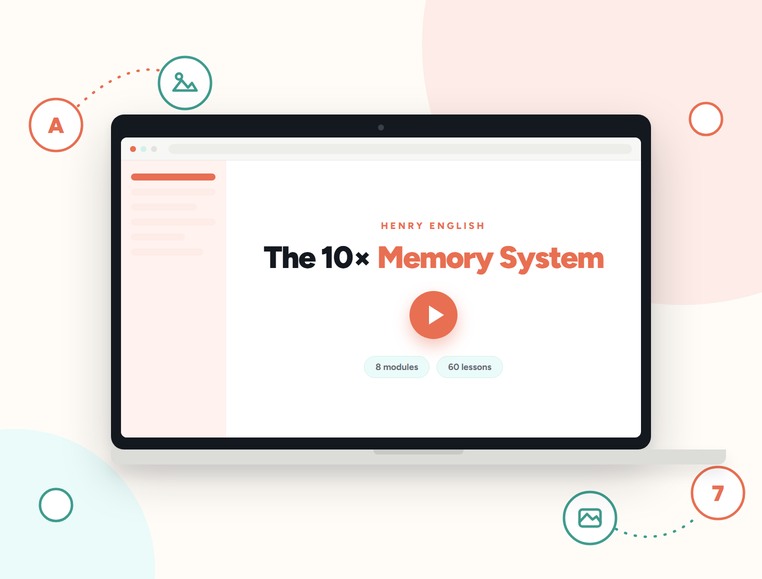
What you’ll learn
01
Memory fundamentals
Understand how we memorise.
02
Mental images
Turn abstraction into concrete pictures.
03
Associations
Build strong connections.
04
Sequences
Remember order and lists.
05
Numbers and dates
Make numbers memorable.
06
Names and faces
Link a name to a person.
07
Study material
Apply the system to real learning.
08
Advanced systems
Handle more information.
This course isn’t built to watch.
It’s built to train.
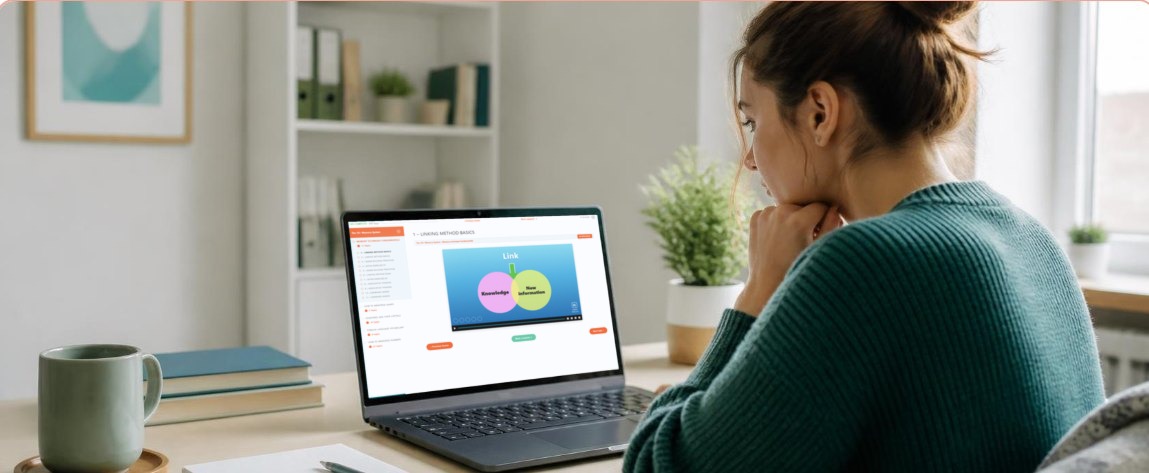
Memory techniques only become valuable once you start using them on your own. So the learning has to be active.
Watch
You grasp the principle.
Try
You do a specific exercise.
Train
You repeat the method in different situations.
Apply
You use it on information that’s real.
Who will teach you?
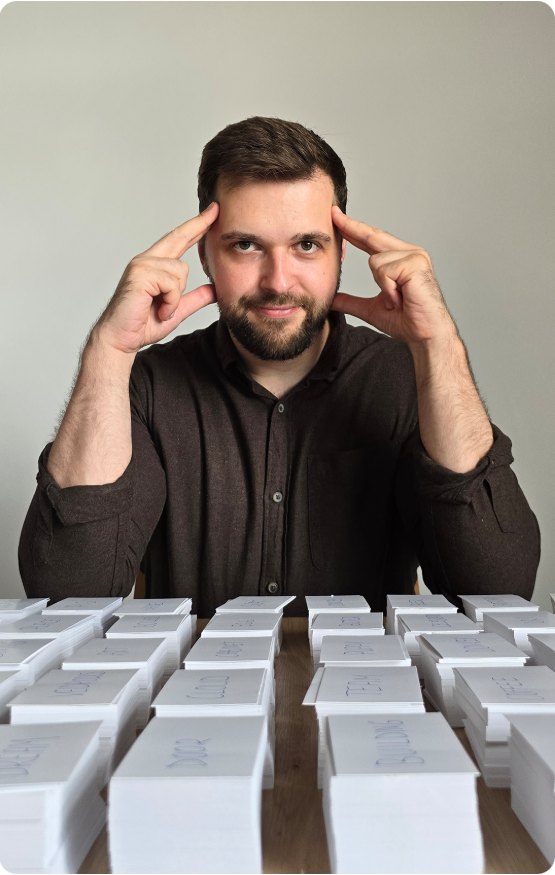
Henrikas Šalūga
Henrikas Šalūga began practising memory techniques while he was still at school. What he teaches on the course today, he first tested for years on his own memory.
- Five-time winner of the Lithuanian π Championship
- 5,001 digits of π recited from memory without an error
- More than 15 years practising these methods
- Training delivered in more than 50 schools and educational institutions
- Has demonstrated his memory and his methods on television and radio
- Has taught school pupils, adults and corporate teams
The aim of this course isn’t to turn you into a memory athlete.
It’s to take the methods behind exceptional memory results and show you how to apply them to studying, work and everyday information.
Most importantly, you won’t be learning theory someone read in a book. Henrikas can demonstrate every method he teaches.
What exactly
do you get?
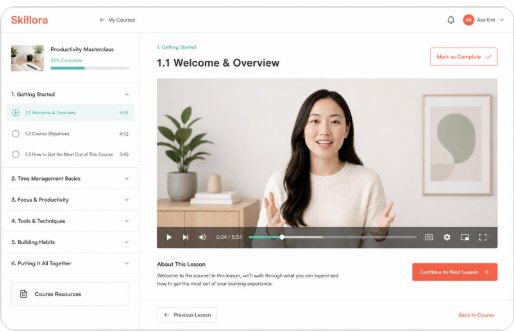
This isn’t one lesson or a single method. You get a complete learning system to work through in order, at your own pace.
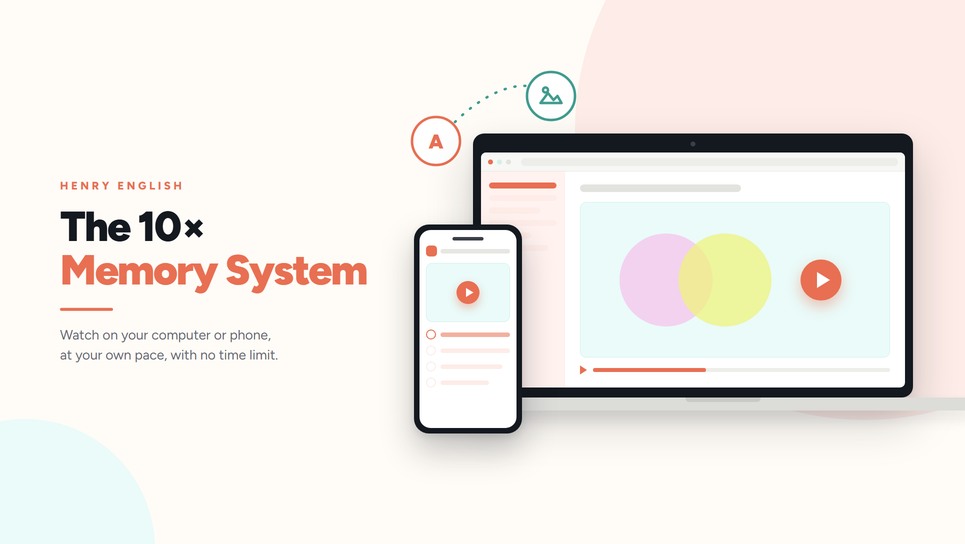
Video lessons
Practical training
A step-by-step course system
Extra materials
Support & community
Unlimited access
The cost of inefficient learning
If you spend hours every week reading and re-reading information that fades anyway, the problem isn’t just an inconvenience. It’s time you lose over and over.


The value of this course isn’t “memorise 20 random words”. It’s learning a system you can use for years, across all kinds of situations.
- Time saved
- Long-term retention
- A skill for life
Start training your memory.
Henry English
The 10× Memory System
€597
or 5 payments of €139 (€695 in total)
- Access after payment
- Pay in instalments
- Unlimited access
A quick check
Who is this course for?
This course is for you if…
- you want to take in new information faster
- you often forget names, dates or facts
- you’re studying for a degree, for work or for yourself
- you want to rely less on mechanical repetition
- you want practical methods, not just theory
- you’re ready to practise the methods regularly
This course won’t be a good fit if…
- you’re looking for one “magic trick” that needs no practice
- you don’t want to do the exercises
- you expect that simply watching the course will change your memory by itself
- you’re looking for medical treatment for a memory disorder*
*This course is a learning and memory-technique programme, not a medical service.
Clear purchase terms.
Before you buy, you know exactly what you get, for how long and on what terms.
An online course with video lessons and practical exercises.
No time limit once the course is paid in full. On instalments, access continues while payments are being made.
A single payment of €597, or 5 payments of €139. Paid online.
A private Facebook group for course participants, comments under every lesson, and email info@henryenglish.com.
The seller’s terms of purchase and right-of-withdrawal conditions apply.
ClickTap an icon to see the terms.
Frequently asked questions
Yes. The course starts from the fundamentals and assumes no preparation. Usually the problem isn’t the memory itself but the method used to memorise — and that’s exactly what we change.
Yes. New memory strategies can be learned at any age. What matters is understanding the method and practising regularly.
No. The course is about learning a system, not demonstrating abilities you already have. Your starting level doesn’t matter.
The course is more than 50 hours of material — 60 lessons across eight modules. How long it takes to work through is up to you: you learn at your own pace, with no deadlines, and you can return to any lesson at any time.
Practice matters more than speed. The exercises are built into the video lessons themselves, so you try the method straight away rather than just listening to theory.
Yes. Everything is available immediately after payment, and you can move through the lessons at whatever speed suits you.
Once the course is paid in full, access has no time limit — you can return to the lessons whenever you like and repeat them as often as you need.
If you choose to pay in instalments, access is granted immediately and continues as long as the payment schedule is kept. If the full amount isn’t paid, access is suspended; once the remainder is paid it is restored and becomes unlimited.
No. Numbers are just one area. The same techniques apply to names, dates, foreign vocabulary, study material, speeches, lists and other structured information.
Yes. Everyone who buys the course gets access to a private Facebook group for participants only — you can ask questions there, share your experience and see what others are asking. You can also leave a question in the comments under each lesson, right where it came up. And to reach us directly, email info@henryenglish.com.
No. This is a self-development programme — practical training in memory techniques for people who want to develop their memorising skills deliberately. It is not a medical service and is not intended to diagnose or treat any illness, including Alzheimer’s disease or dementia, or to alter its course. It does not replace a doctor’s consultation, tests or prescribed treatment. If you notice memory changes that worry you, see a doctor.
Payment is made online. The course costs €597. You can pay through your bank, by card or by direct transfer. You can also choose to pay in instalments — 5 payments of €139 (€695 in total). The instalment option costs €98 more than paying upfront.
You already have a memory.
Learn how to use it.
The amount of information won’t get smaller. But you can change the way you take it in.
The 10× Memory System
€597
or 5 payments of €139 (€695 in total)
• Secure checkout • Online access